Founded in 1885, the American Society for Psychical Research has explored unexplained human experience for more than a century.
Our mission has been to investigate extraordinary or as-yet-unexplained phenomena. Those called psychic or paranormal and their implications for our understanding of consciousness, the universe, and the nature of existence.
From its inception, the Society has investigated the prevalence and meaning of extraordinary human experiences — from creativity, hypnosis, dreams, and states of consciousness to telepathy, clairvoyance, precognition, psychokinesis, healing, and the question of survival after death.
Founders & researchers
From the ASPR
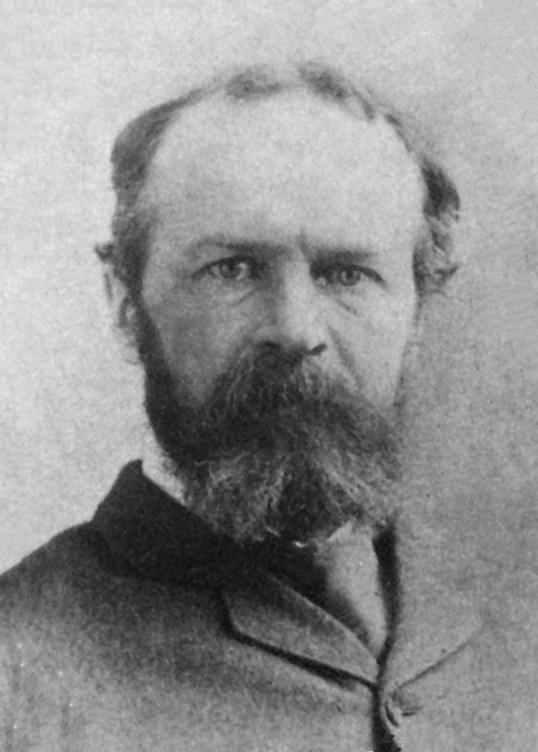
William James
Founder · 1885
Doctor of Philosophy and Psychology at Harvard University and the author of The Varieties of Religious Experience, William James was one of the original founders of the ASPR, in 1885. A pioneer researcher in the early study of the subconscious, he is considered a cornerstone of American psychology.
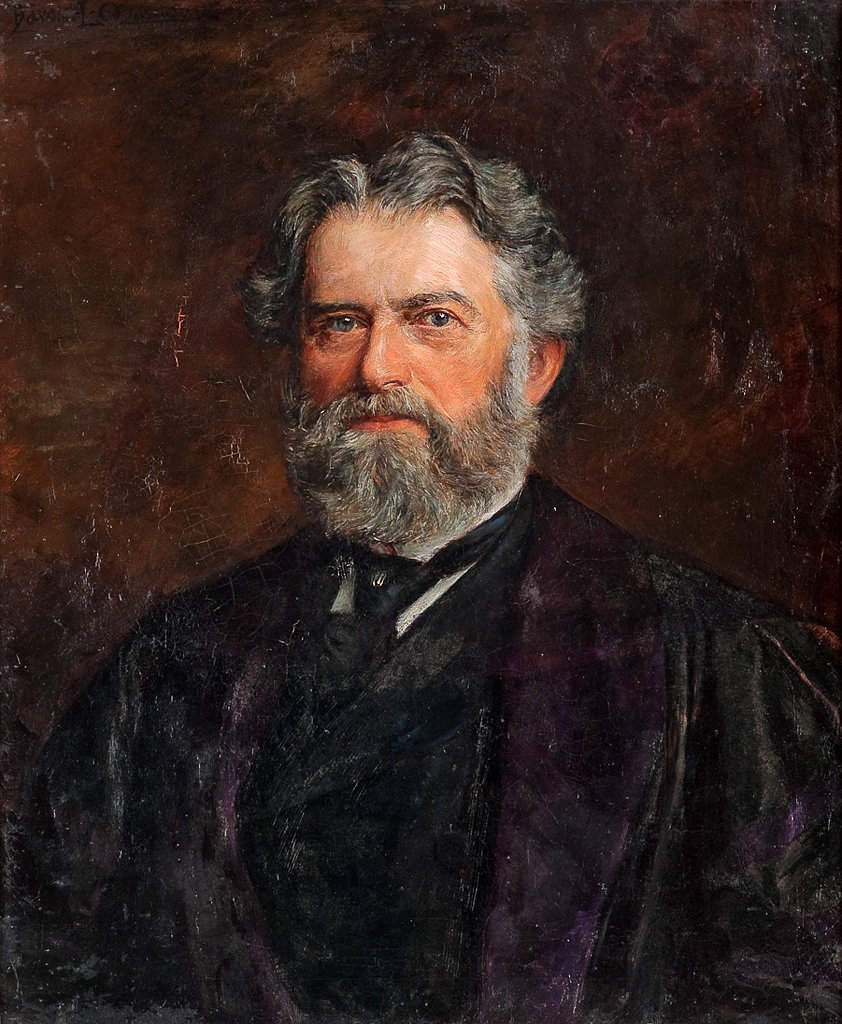
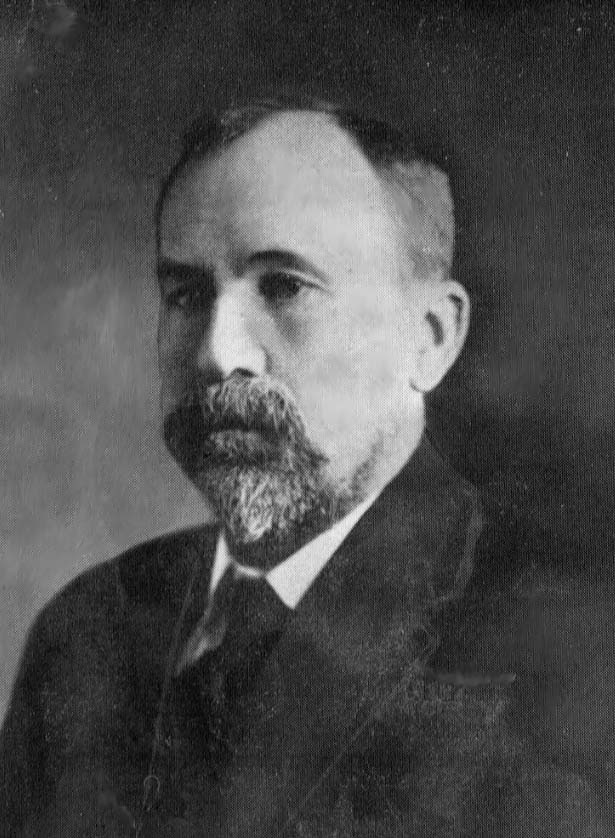
Simon Newcomb was the first President of the American Society for Psychical Research. He was an astronomer and mathematician widely regarded as one of the leading scientific minds of his era. He produced highly precise tables of planetary and lunar motion that became the international standard for astronomical calculations well into the 20th century. He conducted some of the most accurate measurements of the speed of light achieved up to that time.
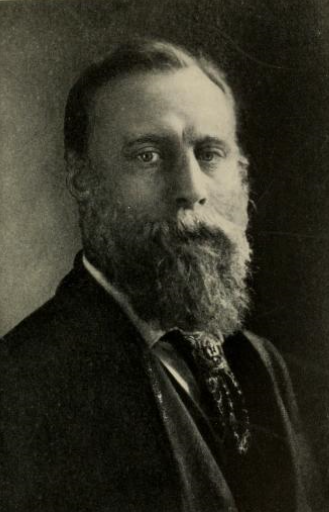
Richard Hodgson
Secretary · from 1887
Hodgson had already exposed several celebrated cases of fraud, and found few psychical incidents convincing. At the ASPR he embarked on a fifteen-year investigation of the mediumship of Mrs. Leonora Piper. At its conclusion he wrote that he had no doubt that the chief communicators who manifested through Mrs. Piper were the deceased persons they claimed to be.
Leonora Piper
Medium investigated · 1885–1925
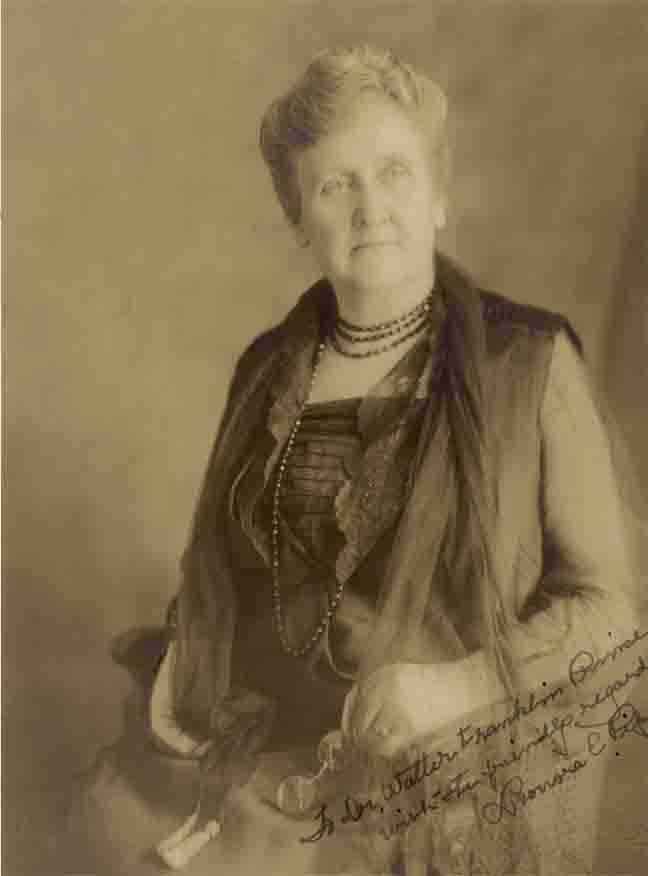
One of the most remarkable mediums of the 19th century, Mrs. Leonora Piper was a Boston housewife who produced astounding information about hundreds of deceased people whom she had never met. Her career lasted forty years; detectives were occasionally hired to follow her, but no trickery or fraud was ever discovered.
James Hervey Hyslop
Reorganized the ASPR · 1907
Professor of Ethics & Logic at Columbia University, James Hervey Hyslop re-organized the ASPR in 1907. He is considered one of the most important American psychical researchers, and managed the ASPR for fourteen years.
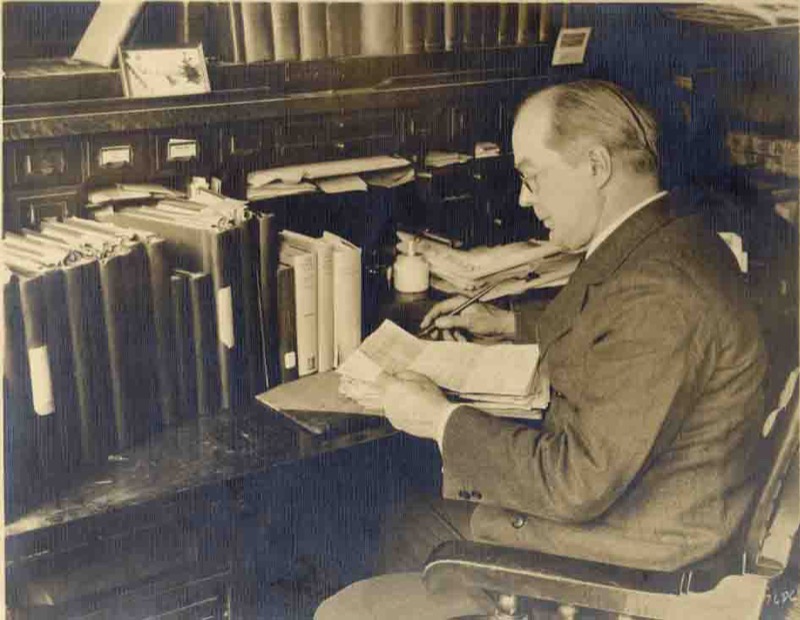
Dr. Walter Franklin Prince did groundbreaking work in the area of multiple personalities. He also assembled the Prince Collection in the ASPR's archives, which contains hundreds of case reports, photographs, and drawings related to psychical phenomena.
Luminaries
From the ASPR
Gardner Murphy
Gardner Murphy (1895-1979) was a towering figure in the history of the ASPR. He had a lifelong interest in psychic research. He was interested in telepathy and in the question of survival of death, as well as psychokinesis (PK) or mind affecting matter. Educated at Yale, Harvard and Columbia University, he was psychologist who specialized in social and personality psychology. He was known for his personality theories of adaptation, and humanistic psychology. He taught at Columbia, Harvard, and City College in New York, and became director of research at the Menninger Foundation. He was elected President of the American Psychological Society. His books included Historical Introduction to Modern Psychology (1928, 1949), Personality (1947), and Human Potentialities (1958), The Challenge of Psychical Research (1961), and co-wrote William James and Psychical Research (1973). He was editor of the Journal of Parapsychology. He became vice-president at the ASPR in 1940, and President of the Society in 1962 until 1971.
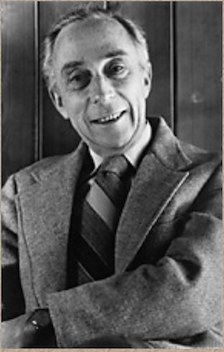
Montague Ullman, M. D. was a long-time President of the ASPR. A visionary and an extraordinary human being with intelligence, wisdom and compassion. His contributions to the ASPR and the entire field are legendary. He was the leading researcher in the study of dreams and the paranormal. Dr. Montague Ullman was a psychiatrist and a psychoanalyst internationally renowned for his work with dreams. In 1962 he founded the Dream Laboratory at the Maimonides Medical Center, Brooklyn, New York. He received a grant for the National Institute for Mental Health to investigate telepathy in dreams. In the mid 1970s he resigned as Director of Psychiatry, Director of the Community Mental Health Center, and Director of the Division of Parapsychology and Psychophysics at Maimonides Medical Center to devote himself to dream research and group approaches to dream work. He was a past President of the American Society for Psychical Research, and the Society of Medical Psychoanalysts. Dr. Ullman was the author of numerous papers on theoretical and clinical studies of dreams and dreaming. He was the author and co-author of several books, including Dream Telepathy (McFarland, 1989), Working With Dreams (J.P. Tarcher, Inc. 1979), co-editor of The Variety of Dream Experience (Continuum Press, 1987), and co-editor of The Handbook of States of Consciousness (Van Nostrand Reinhold, 1986).
His dream groups at the ASPR where precognitive dreams and spontaneous telepathic connections emerged among members of a dream group was an incredible experience for all participants. He began the research at the ASPR with a research associate from Maimonides, Patrice Keane, who later became Executive Director of the ASPR and Dr. Nancy Sondow, who was also a member of this dream group. The group evolved over a seven-year period where every dream of every night was shared with the group. Each week these dreams were distributed to all members of the group and one was selected to be the focal point of Doctor Ullman’s dream appreciation experience. Many connections emerged from the experiences. For additional information see Dr. Sondow’s lecture Precognitive and Spontaneous Psychic Dreams - Available on video and as a paper on links in the research section of this website.
Dr. Ullman passed away on June 7th, 2008 at the age of 91. He bequeathed the ASPR his entire archive, containing his personal records, correspondence, and thousands of books and periodicals. This valuable collection is a treasured addition to the ASPR.
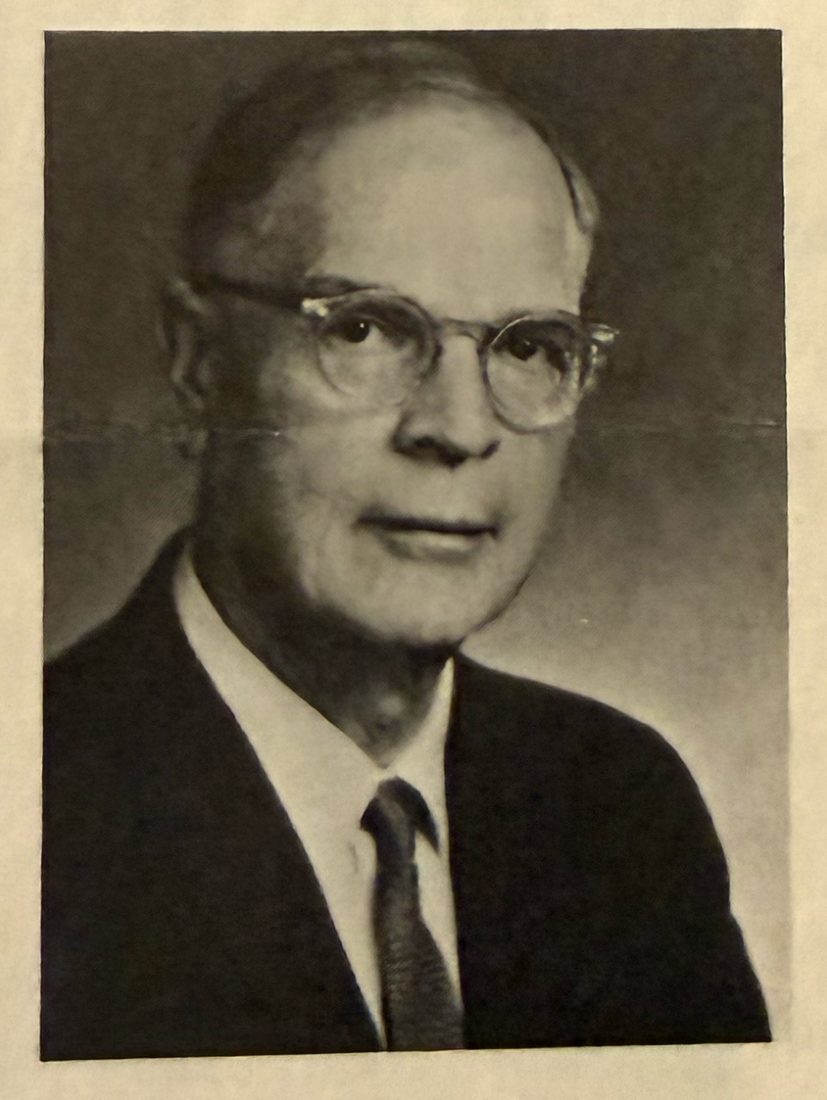
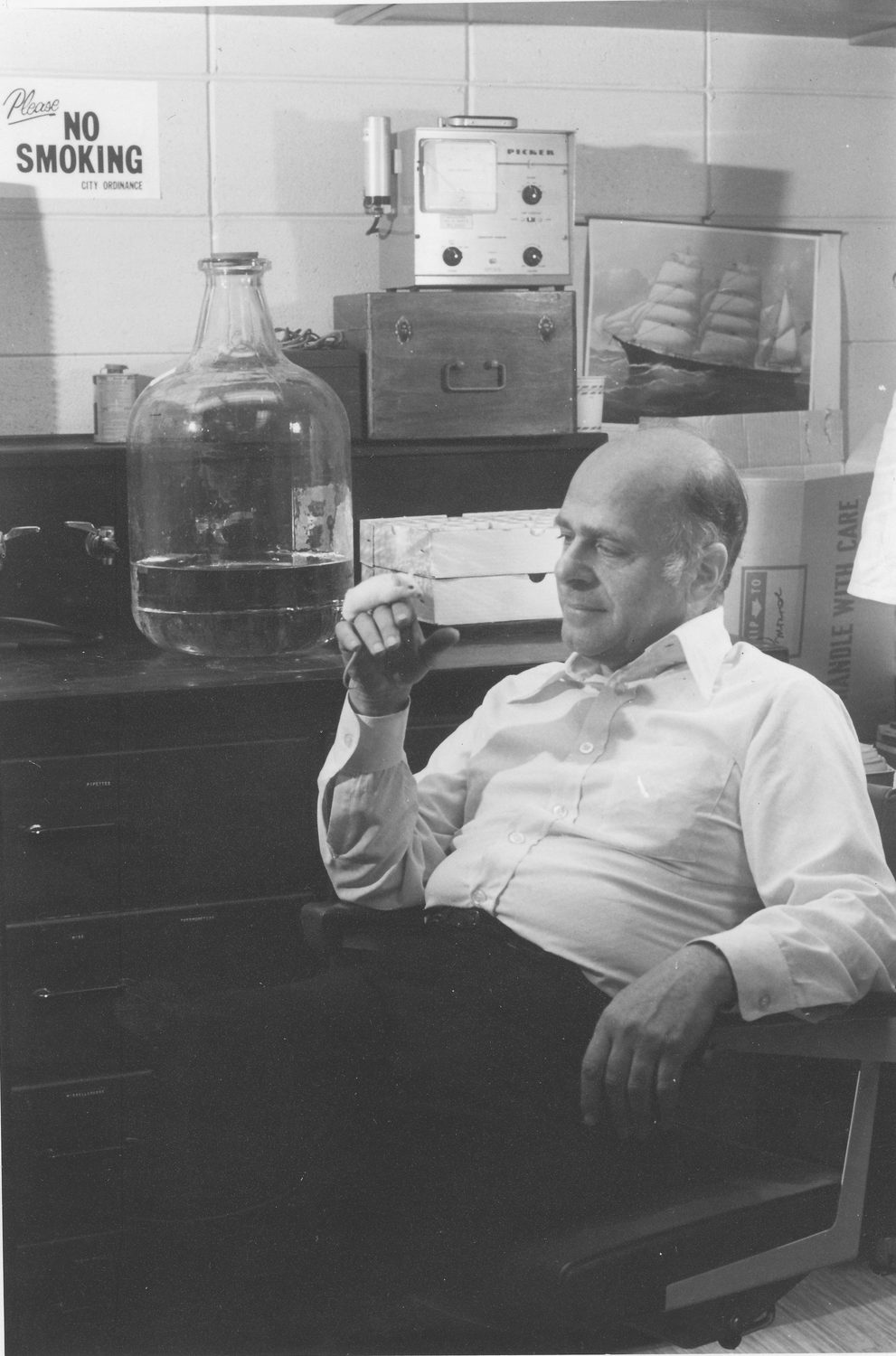
Bernard Grad, Ph.D. served on the ASPR Board from 1993 until 2010. He received his B.Sc. in Biochemistry and a Ph.D. in Experimental Morphology from McGill University in Montreal. During his 36-year tenure at McGill, he was Director of the Statistical Unit, Director of Biological Studies at the Allan Memorial Institute of Psychiatry, and Secretary of the Admissions Committee of the Faculty of Medicine. Dr. Grad has retired as Associate Professor of Psychiatry at McGill, as Associate Scientist at Royal Victoria Hospital, Montreal, and as Associate Professor at L’Insitut Armand Frappier, Universite de Quebec a Montreal.
Dr. Grad published 150 papers and abstracts, about two-thirds of which were on topics of aging and cancer, and the remainder related to complementary healing. He was the first to indicate that saliva could be used to study aspects of adrenocortical function, which led others to discover aldosterone as a major, salt-active hormone of the adrenal cortex. He was part of a team who first demonstrated that adrenal cortical glands continue to secrete their hormones in vitro. He also discovered an anti-cancer substance in Concord grapes. In 1987, he was part of a team who published a paper first implicating melatonin and serotonin, hormones of the pineal gland, in the aging process. His pioneering research on healing has played an important role in focusing attention of the medical community on complementary healing practices.
Dr. Grad was the recipient of the ASPR’s William James Award honoring individuals who exemplify the spirit of vision, open-minded inquiry and scientific excellence embodied by James.
“
If you wish to upset the law that all crows are black… it is enough if you prove one single crow to be white.